Participation in the EME Intensive Programme (CHEI Professional Development)
 EWWRsgL6
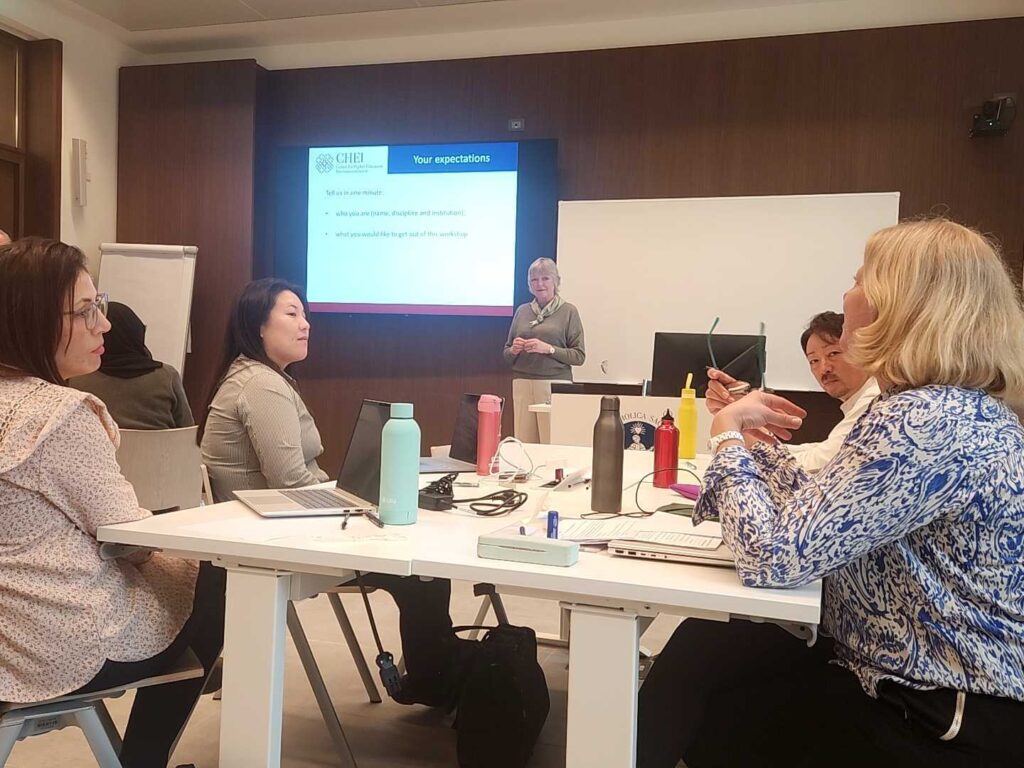
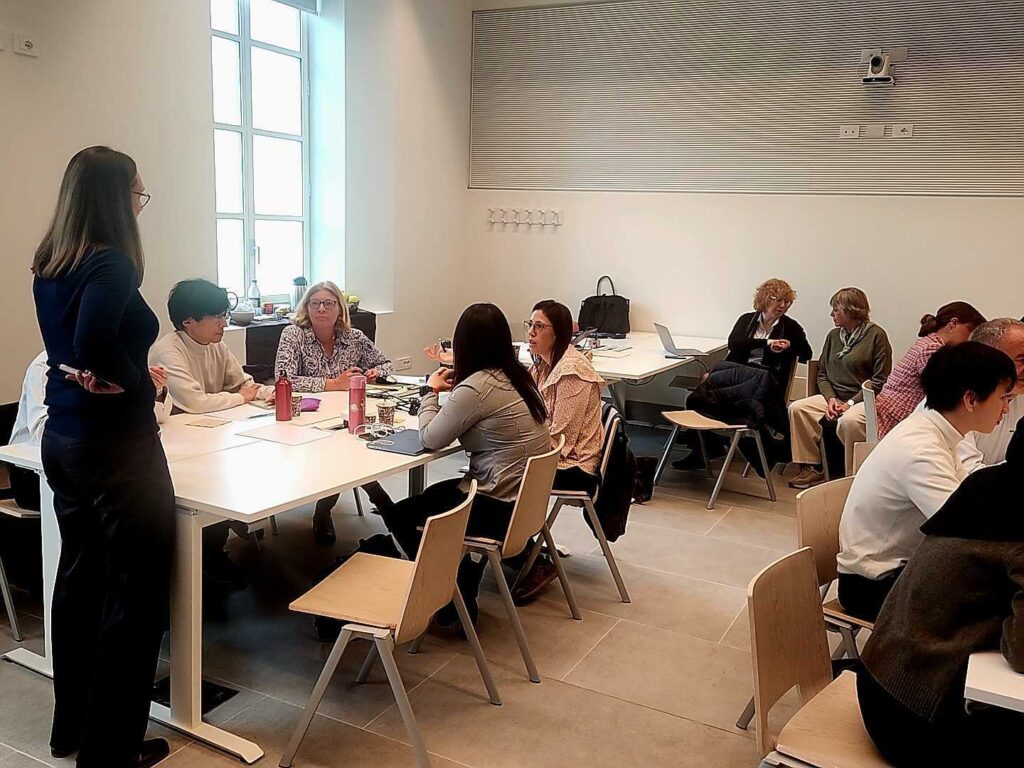
From March 2 to 4, 2026, five faculty members from Kansai University participated in the “EME Intensive Programme,” organized by the CHEI (Centre for Higher Education Internationalisation) and held at Università Cattolica del Sacro Cuore in Milan, Italy.
This programme examines English-Medium Education (EME/EMI) not merely as a language issue, but from the broader perspective of how internationalization in higher education should be defined and implemented in educational practice.
Key Discussions on Day 1
The discussions on the first day began with a fundamental question: What does internationalization in higher education really mean?
Internationalization cannot be measured solely by quantitative indicators such as the number of international students or the number of courses taught in English. Participants emphasized the importance of considering broader dimensions, including curriculum design, classroom interaction, and epistemological diversity.
International Higher Education (IHE)
International Higher Education (IHE) was presented not simply as the adoption of English-medium instruction, but as a comprehensive framework encompassing educational philosophy, institutional structures, assessment design, and classroom culture.
Language Requirements and Educational Practice
Many institutions require C1-level English proficiency for participation in English-medium programmes. However, high language proficiency does not necessarily guarantee effective learning participation.
Discussions also highlighted that in international classrooms, translanguaging—flexible use of multiple languages—often occurs naturally.
Reactions from Domestic Students
A case study from Spain introduced concerns expressed by domestic students, including:
- Increased academic burden due to studying in English
- Concerns about a potential decline in academic standards
- Impacts on cultural and linguistic identity
These perspectives suggest that the implementation of EME requires attention not only to institutional design but also to psychological and cultural factors.
Strategies for Teaching Practice
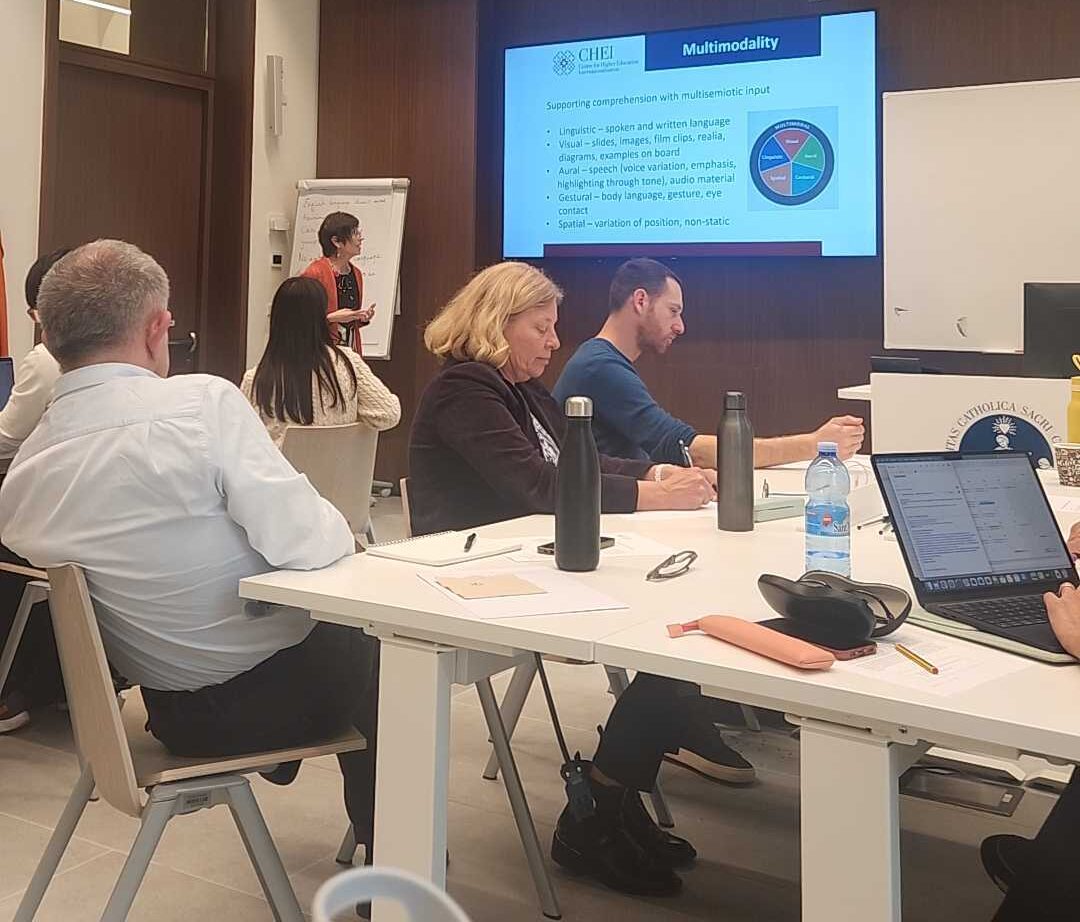
In the afternoon sessions, several practical strategies for EME teaching were introduced, including:
- Integrating multimodality (visual, audio, and textual resources)
- Structured scaffolding
- Instructional design that enhances learner motivation
- Deliberately designing classroom interaction
In the coming sessions, further discussions will explore Reflecting Team methods, assessment design, and Critical Incidents analysis, focusing on practical approaches to teaching in international classrooms.