Global Campus Trial (OSIP) Taiwan Program | A Week of Learning at Universities, Visiting Companies, and Experiencing Taiwanese Culture
 EWWRsgL6
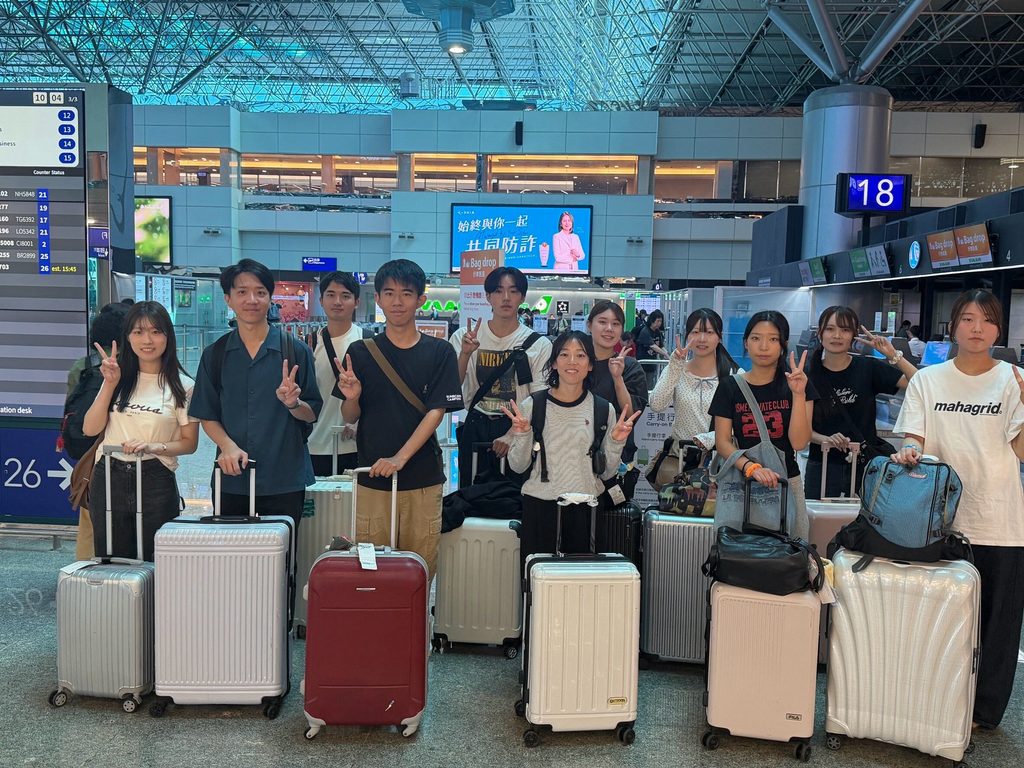
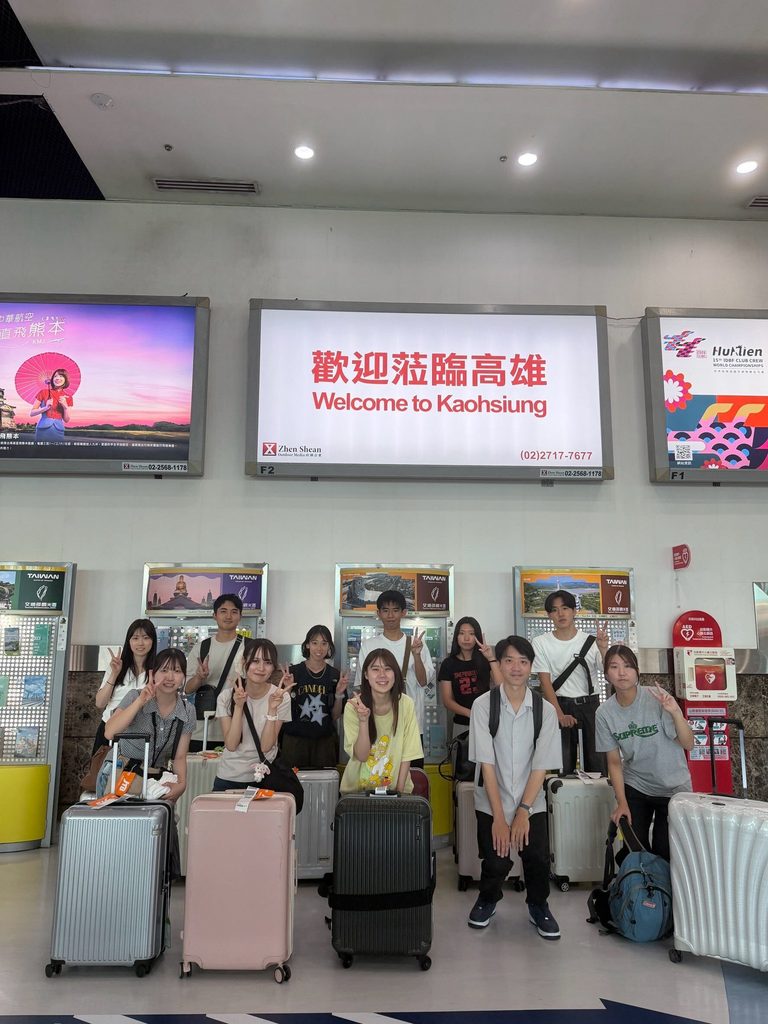
As part of the Global Campus Trial (OSIP) Taiwan Program, nine students traveled to Taiwan to gain firsthand insights into Taiwanese society and industry through university classes, student exchanges, company visits, and cultural experiences.
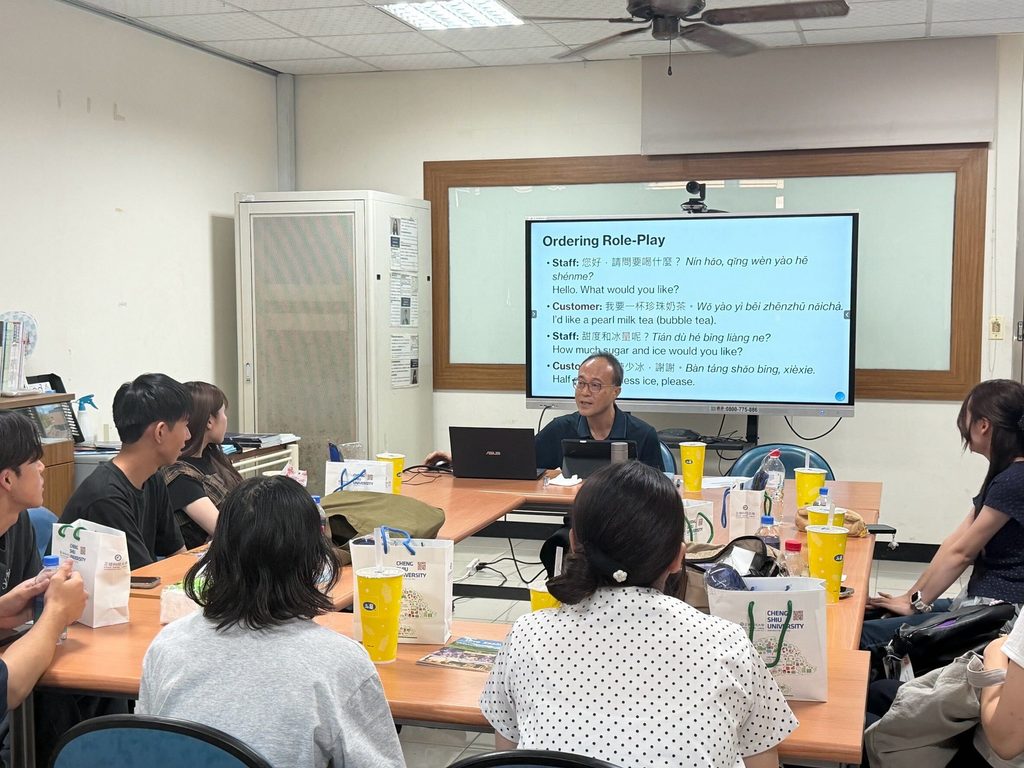
At Cheng Shiu University in Kaohsiung, students attended an introductory session about the university and participated in a campus tour. They also learned about Taiwan’s tea culture and challenged themselves to order drinks in Chinese. Through exchanges with local students, they engaged in lively discussions about recommended tourist destinations, food culture, hobbies, and daily life.
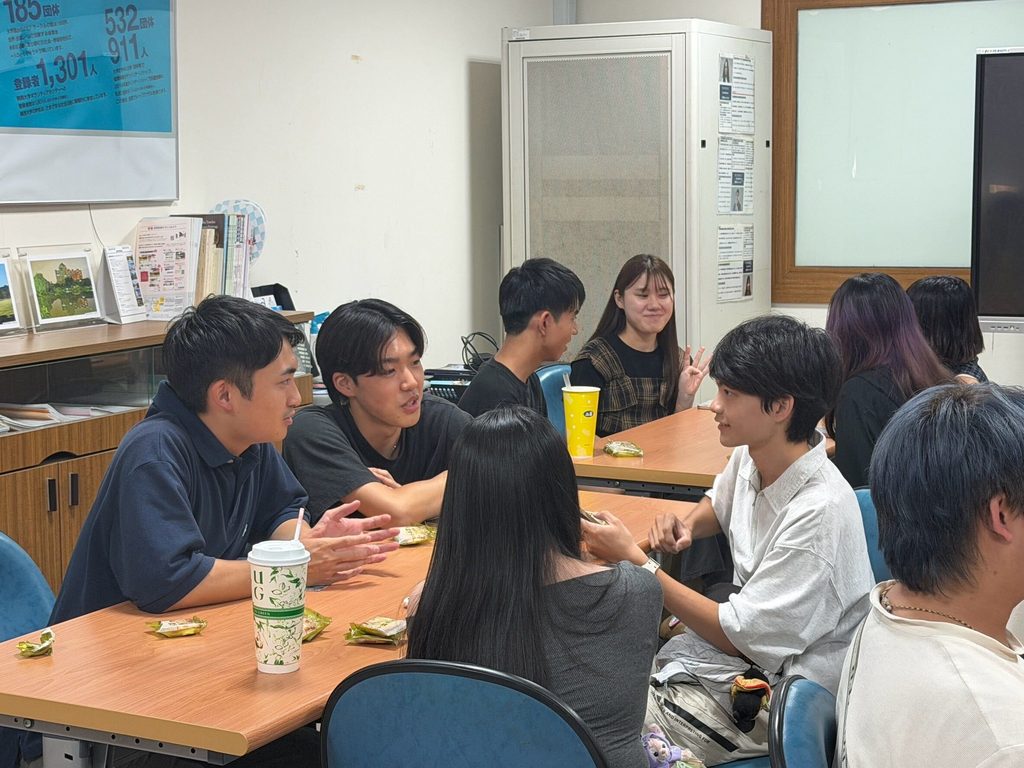
Participants reflected positively on these interactions, commenting that “the local students made a great effort to communicate with us in Japanese, which was impressive,” and that “through casual conversations, we gradually built closer relationships and shared a strong sense of unity and accomplishment.” The experience highlighted the importance of taking initiative in communication and connecting across cultures.
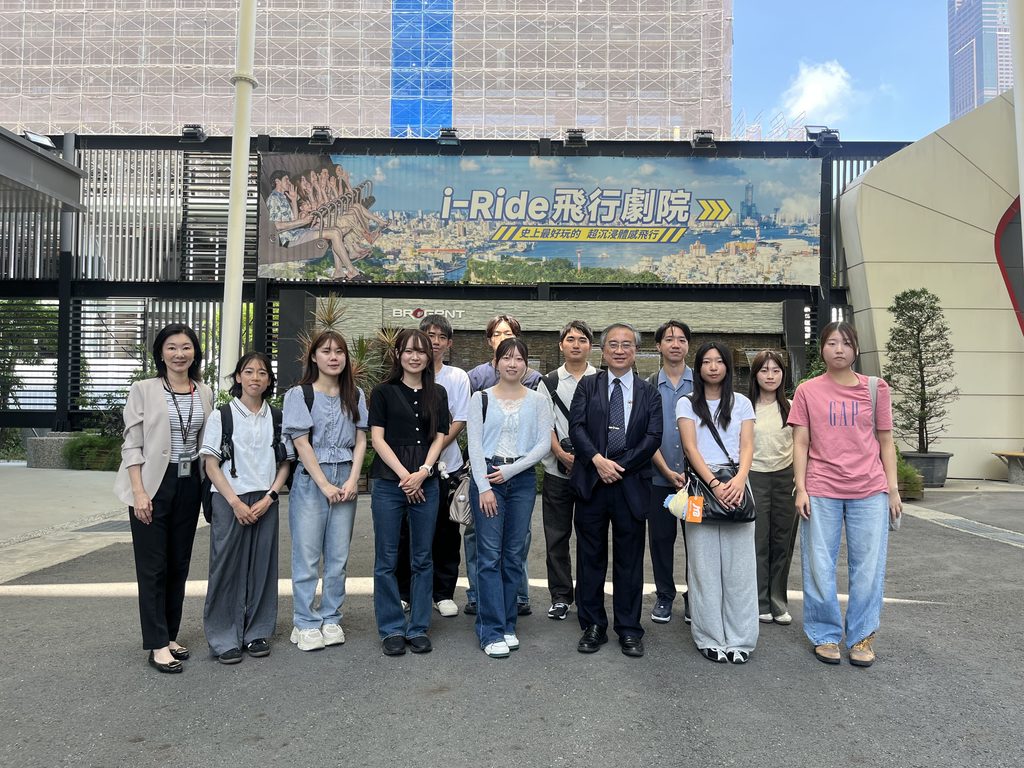
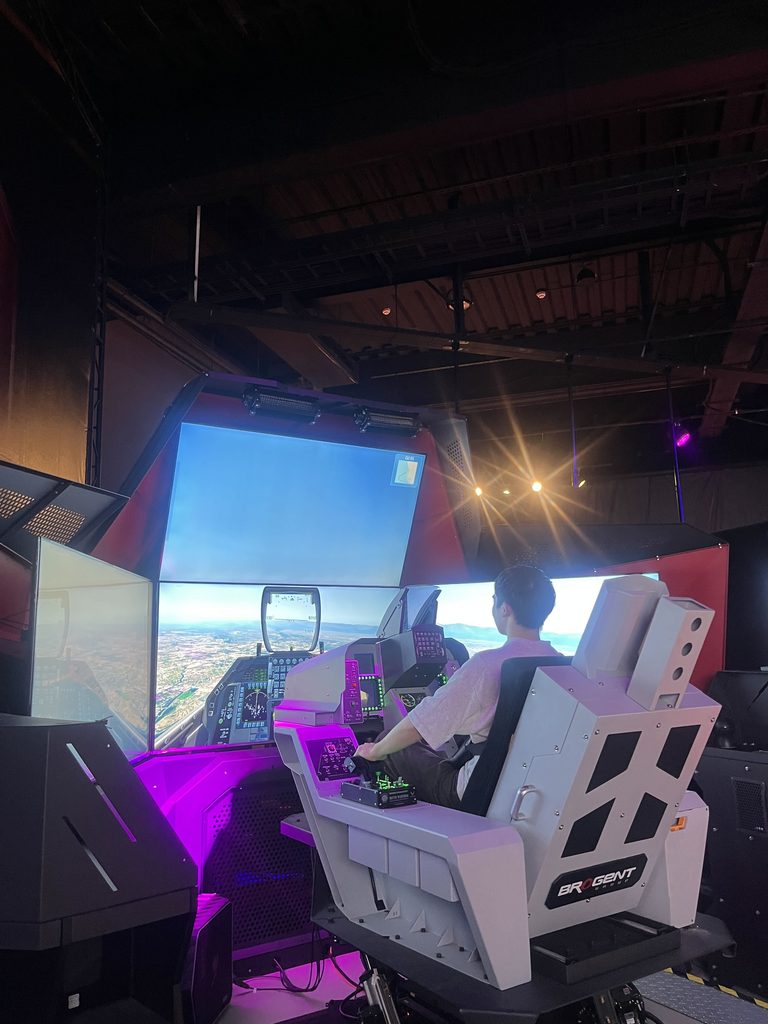
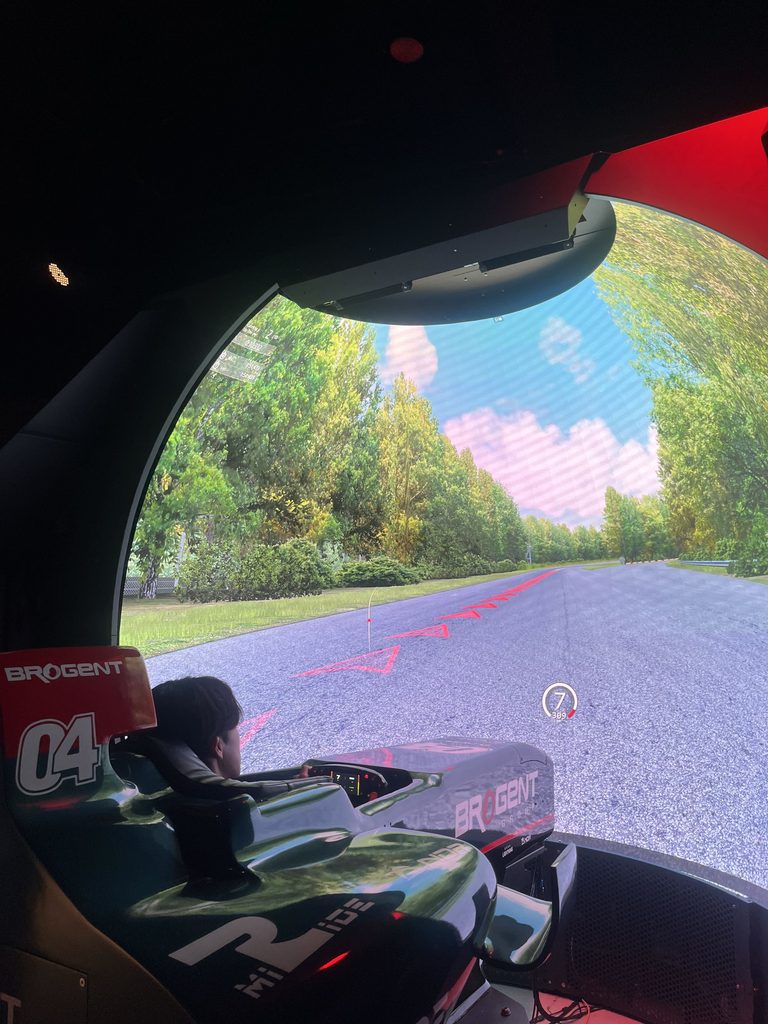
The program also included a visit to Brogent Technologies, a company known for developing immersive simulator technologies. Students experienced flight simulators, racing simulators, and VR attractions while learning about innovative digital entertainment technologies. In addition, they visited the Hamasen Taiwan Railway Museum and the Great Harbor Bridge, and enjoyed Taiwanese pineapple cakes and tea at SunnyHills, deepening their appreciation of Taiwan’s culture and culinary traditions.
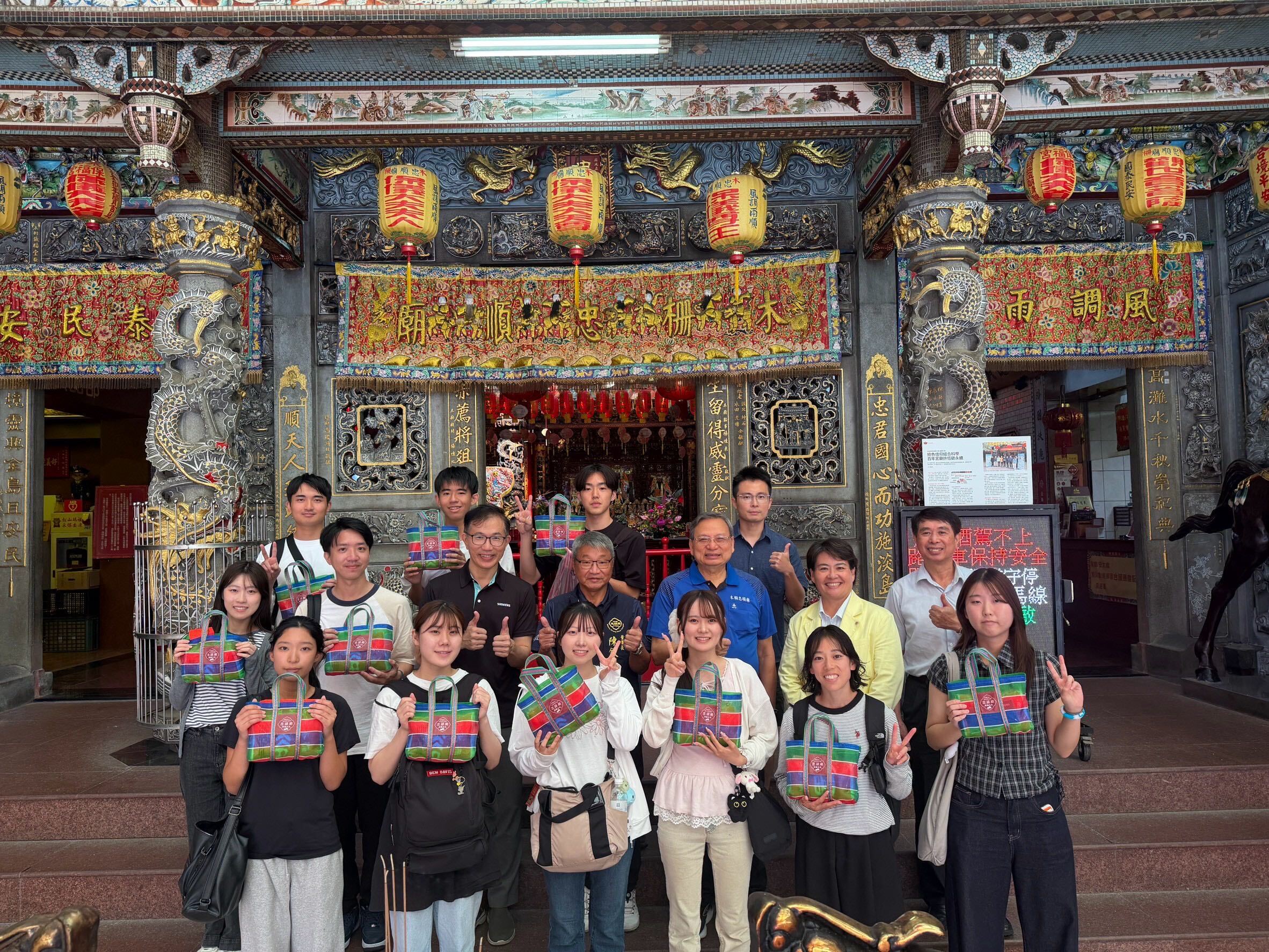
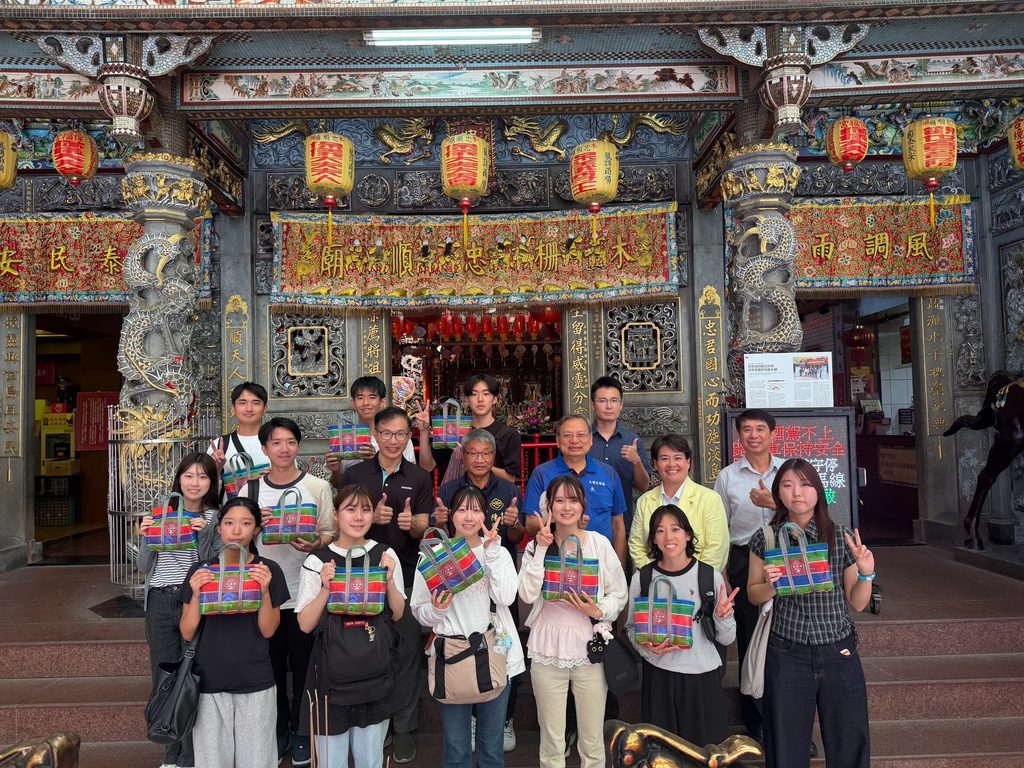
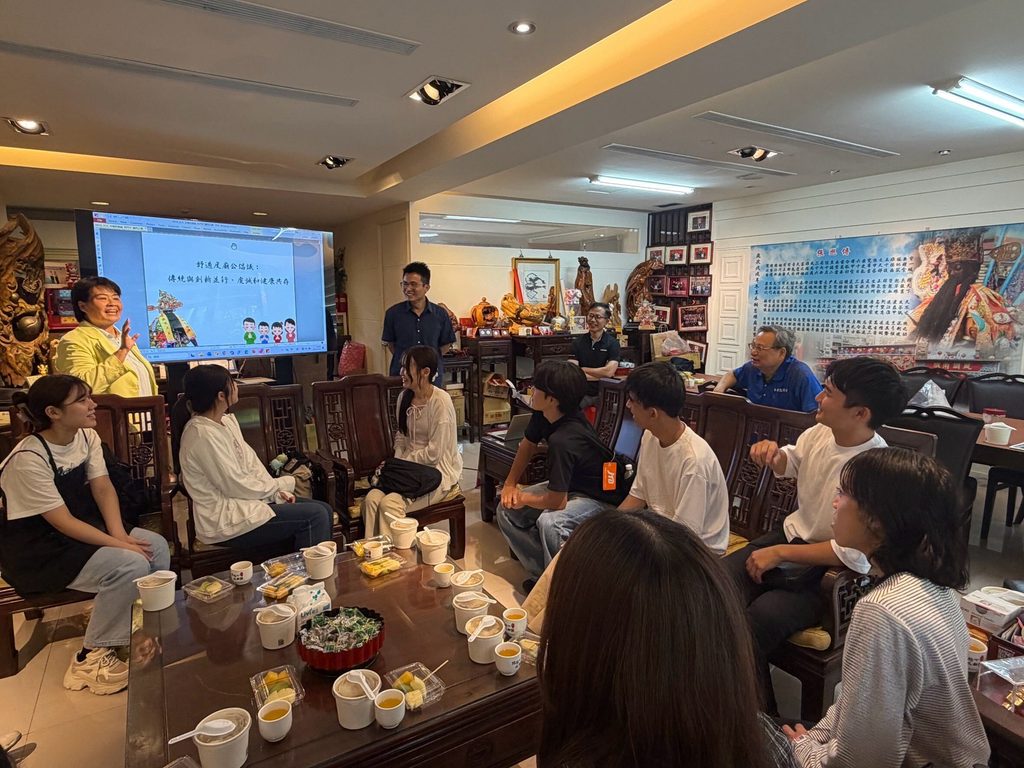
The group then traveled to Taipei, where they attended a lecture by Siemens Taiwan. The session introduced students to digitalization and automation technologies in industrial and transportation infrastructure sectors. They also visited Muzha Zhongshun Temple, gaining insights into Taiwanese religious culture and the important role temples play in local communities. Students shared that the experience allowed them to encounter technologies rarely seen in Japan and inspired them to consider international career opportunities in the future.
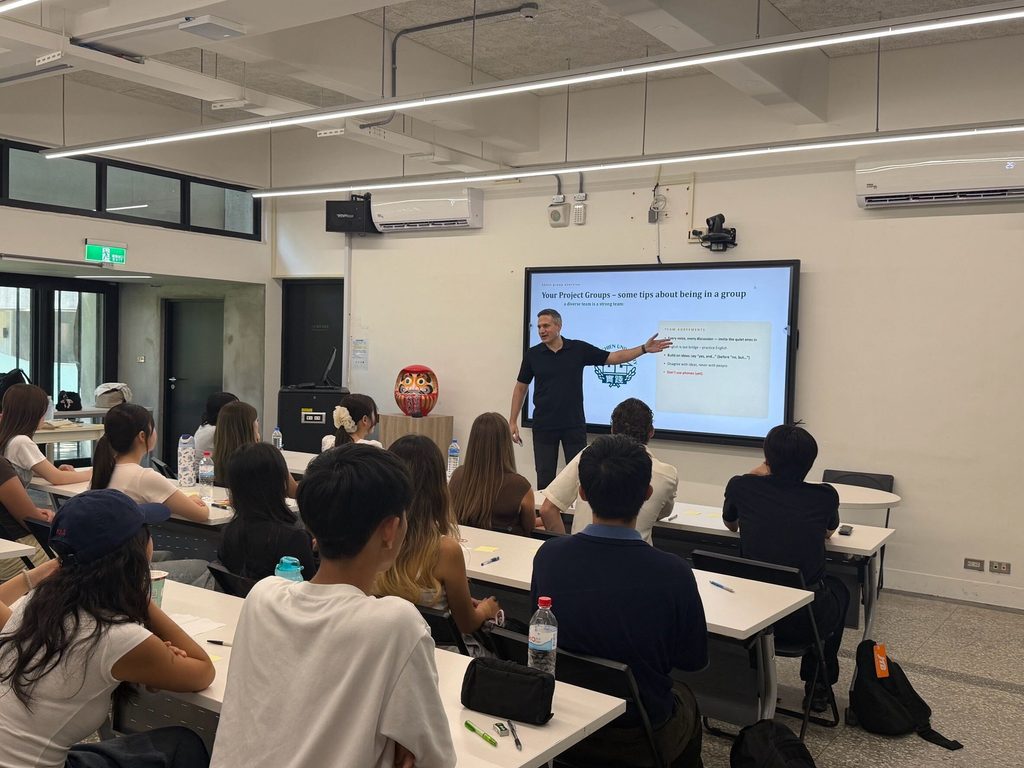
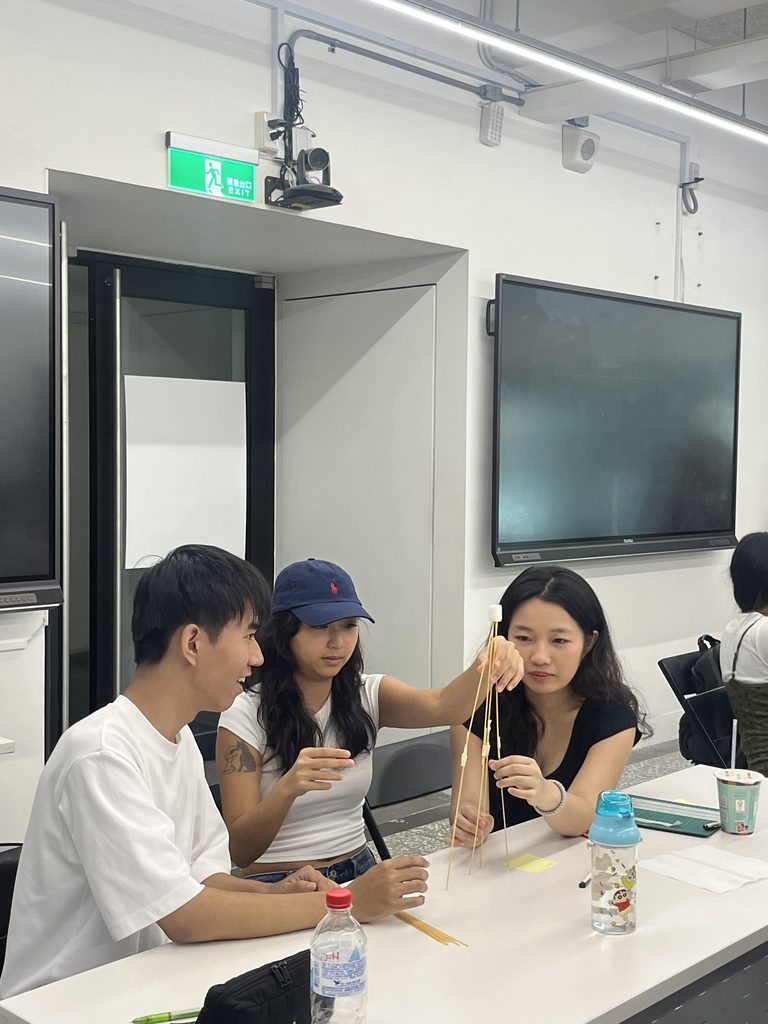
At Shih Chien University, students joined mixed teams with local students to take part in the Spaghetti Tower Challenge. Working together with limited materials, they tackled problem-solving tasks while strengthening cross-cultural communication and teamwork. Reflecting on the activity, participants noted that “even without perfect English or Chinese skills, we were able to build meaningful connections by expressing ourselves,” and that they learned the importance of confidently sharing their ideas without fear of making mistakes.
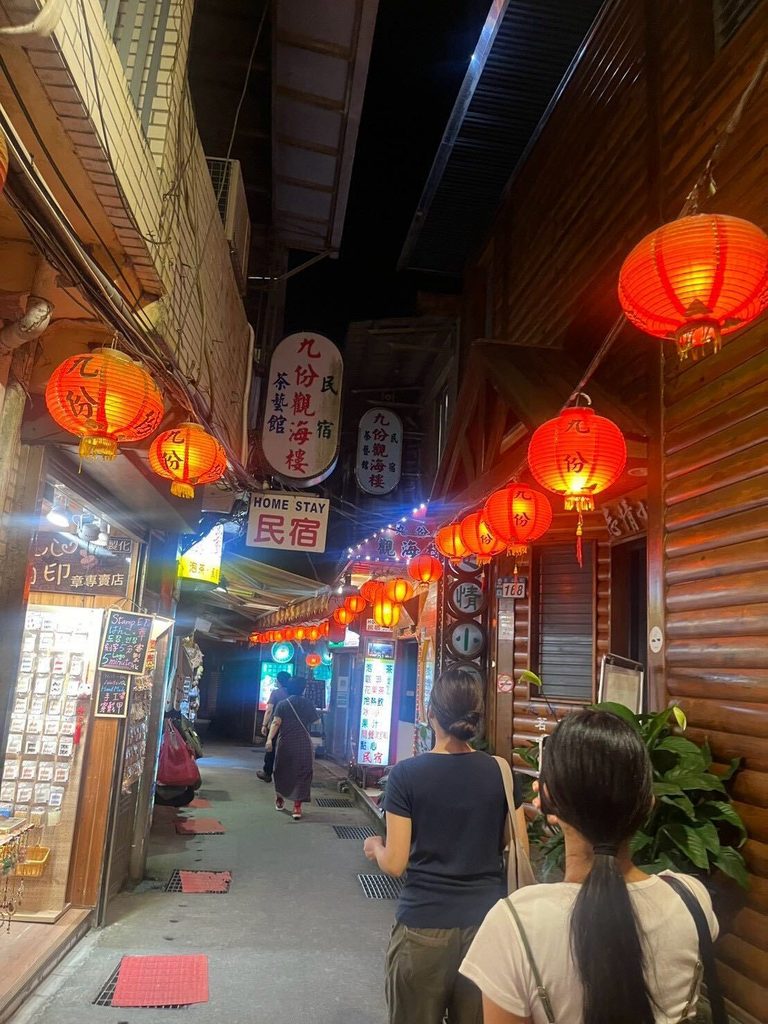
During their free time, students visited popular destinations such as Shifen and Jiufen, where they experienced Taiwan’s unique culture through activities such as sky lantern releasing and exploring traditional streets.
In their post-program reports, several students wrote that although they had felt anxious before traveling abroad, the warmth and kindness of the local people quickly replaced those concerns with enjoyment. Others noted that meaningful communication was possible even when they could not fully understand the language, as long as they made the effort to connect with others.
Through this program, students deepened their understanding of Taiwan’s industries and culture while broadening their international perspectives through exposure to diverse values and viewpoints. It is hoped that the knowledge and experiences they gained in Taiwan will contribute to their future studies, personal growth, and career development as they continue working toward their individual goals.